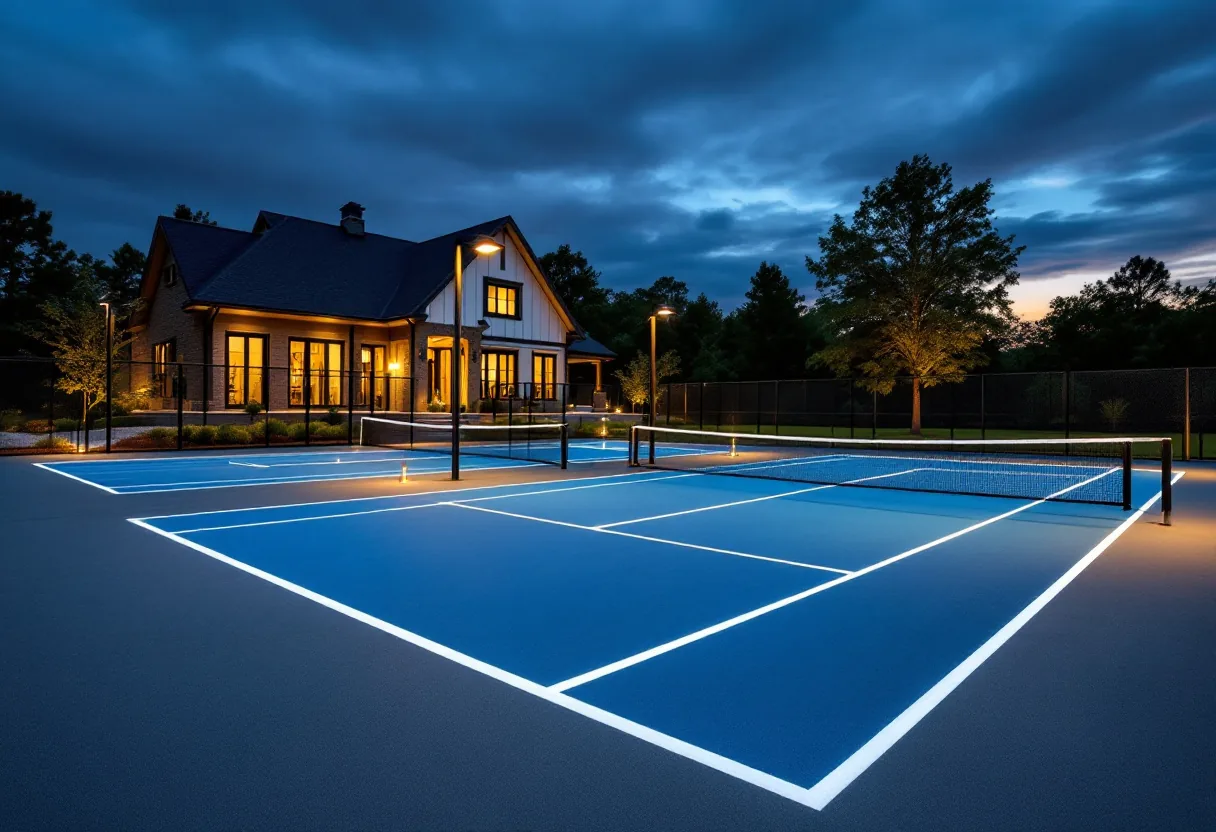
Pickleball is the rare amenity that residents actively lobby for, which makes it easier to fund than most recreation projects. But "easier" still means paperwork: most grant programs want a public or nonprofit applicant, a realistic budget backed by contractor bids, and proof the community will use the courts. This guide walks through the main funding sources and how to combine them. When you need hard numbers for an application, our cost calculator and a free itemized builder quote give you defensible figures.
Stack your funding: a state-administered outdoor recreation grant or local government budget as the anchor, plus community foundation gifts, corporate sponsorships, and resident fundraising. Budget $20,000–$45,000 per outdoor court, far less if you convert an existing tennis court.
Know your number first
Every funder asks the same first question: how much do you need? Anchor your request with real construction costs:
| Project type | Typical cost |
|---|---|
| Outdoor commercial-grade court (new build) | $20,000–$45,000 per court |
| 6–12 court outdoor complex | $180,000–$500,000 |
| Tennis court conversion (lines + nets on sound surface) | $1,500–$3,500 per court |
| Lighting for evening play | $5,000–$10,000+ |
A grant reviewer can tell the difference between a guess and a bid. Get at least one itemized quote from a qualified builder before you apply — it is usually a requirement, and it always strengthens the application. Full breakdowns are in our cost guide and commercial construction guide.
Federal money (administered by your state)
The largest recurring source for public outdoor recreation is the Land and Water Conservation Fund (LWCF), a long-running federal program that funds parks and outdoor facilities. You do not apply to Washington — each state's parks or natural resources agency runs the application cycle and sets its own deadlines and match requirements. Pickleball courts qualify as outdoor recreation infrastructure, and multi-court projects at public parks are a natural fit.
Community Development Block Grants (CDBG) are another federal channel, aimed at projects that serve low- and moderate-income neighborhoods. If your proposed courts sit in a qualifying area, talk to your city or county community development office — recreation facilities are an allowed use.
The catch: federal-channel grants almost always require a government or nonprofit applicant and a local funding match. Private clubs and HOAs generally cannot apply directly — partner with your parks department or a community nonprofit instead.
State and local grant programs
Most states run their own park and recreation grant programs alongside the federal money — often through the state Department of Natural Resources or an outdoor recreation office. County park foundations, regional planning commissions, and city matching-grant programs for neighborhood improvements are also worth a call. These programs are smaller but less competitive, and reviewers love shovel-ready projects with bids in hand.
Foundations, nonprofits, and sponsors
Beyond government funding, community courts routinely get built with a mix of private dollars:
Community foundations in your county make grants to local quality-of-life projects, and an active pickleball club asking on behalf of a public court is a compelling applicant. Health-focused foundations and hospital systems fund active-living infrastructure. Local businesses will often sponsor a court in exchange for a windscreen banner or a name on the scoreboard — pricing court sponsorships at a few thousand dollars each can cover a meaningful share of a multi-court build. And resident crowdfunding works better for pickleball than almost any amenity, because the players who asked for the courts are motivated to chip in.
HOA and club funding paths
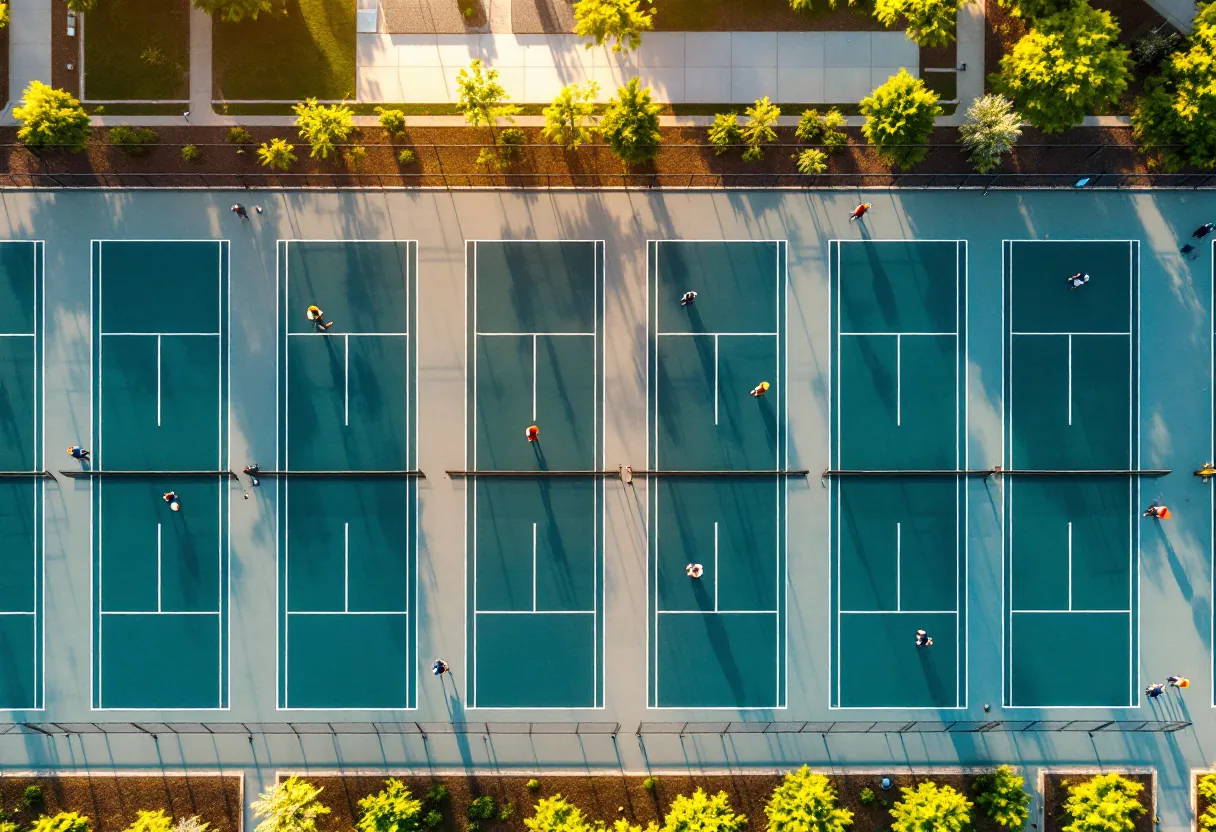
Grants aimed at private communities are rare, so HOAs and clubs should plan around self-funding: reserve funds, a special assessment, or phased construction across budget years — build two courts now, add lighting and more courts later. Sponsorships and member fundraising can offset a real share. The cheapest accelerator is conversion: one existing tennis court footprint fits up to four pickleball courts, turning an underused asset into your community's most popular amenity for a fraction of new-build cost.
How to build a winning application
Funders across every category reward the same package: a specific site with a simple plan drawing; an itemized contractor bid, not an estimate you found online; usage evidence — a petition, club roster, or waitlist at nearby courts; letters of support from residents, schools, and local businesses; and a maintenance plan showing who keeps the courts playable after the ribbon-cutting. If you can show matching funds already raised, your odds improve dramatically with nearly every reviewer.
Frequently asked
Generally cities, counties, park districts, schools, and tribal governments — sometimes nonprofits. Private clubs and HOAs usually need a public or nonprofit partner to be the applicant of record.
Most require or strongly prefer them. An itemized bid from a qualified court builder makes your budget credible and is often mandatory at the final application stage. We can match you with vetted builders who provide grant-ready itemized quotes.
Converting an existing tennis court. Lining and equipping a sound existing surface can cost $1,500–$3,500 per court, and one tennis footprint yields up to four pickleball courts — a project small enough for a single community foundation grant or sponsorship drive.